What are chemicals?
What are they? What's the myth?
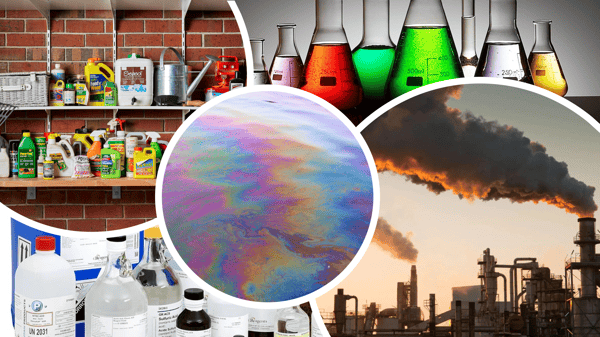
Coloured liquids on a laboratory bench? A concoction spewing white gas out of a glass beaker? That stuff marked with the skull and crossbones on the garage shelf?
You wouldn’t want to get too close. You certainly wouldn’t want to touch a chemical. Let alone eat one…
If this is your mental image of chemicals, you’re correct. But also, not entirely.

What are the facts?
-
The word ‘chemical’ has different meanings to different people
To chemists or those with scientific knowledge, a chemical is any substance with a defined and constant composition and characteristic properties.
Whereas non-chemists and those without a lot of scientific knowledge might equate ‘chemical’ with ‘toxic’, ‘nasty’, ‘man-made’ or ‘synthetic’.
The first group use ‘chemical’ according to its technical meaning, not according to whether a substance is ‘good’ or ‘bad’ or where it comes from.
The second group use ‘chemical’ more emotionally, and often from a place of mistrust and fear. Of course, some chemicals are very ‘nasty’. But not all. And, it depends how they are used.
It’s easy to develop ‘chemophobia’ when we don’t know much about chemicals. Chemophobia can lead to various negative consequences—for individuals, society and the environment—so, perhaps a better understanding of what chemicals are will help allay fears that ‘chemical’ does indeed mean something bad.
Chemophobia drives impossible goals!
According to a 2019 survey1 spanning eight European countries…
• 39% of Europeans would like to live in a world where chemical substances don’t exist
• 40% do everything they can to avoid contact with chemical substances in daily lifeSee What's chemophobia and why does it matter? for more information.
-
All matter is made from chemicals – every solid, liquid and gas
We would not exist without chemicals. We are chemicals! They make up the structure of our human bodies and regulate all our body processes.
Chemicals also supply the fuel our bodies need daily. Not only is the food we eat a combination of chemicals, even the aroma that comes from our food is a mixture of chemicals. And we rely on a complex sequence of chemical reactions to break down food and provide us with energy, nutrients and even the enjoyment that comes from eating something delicious.
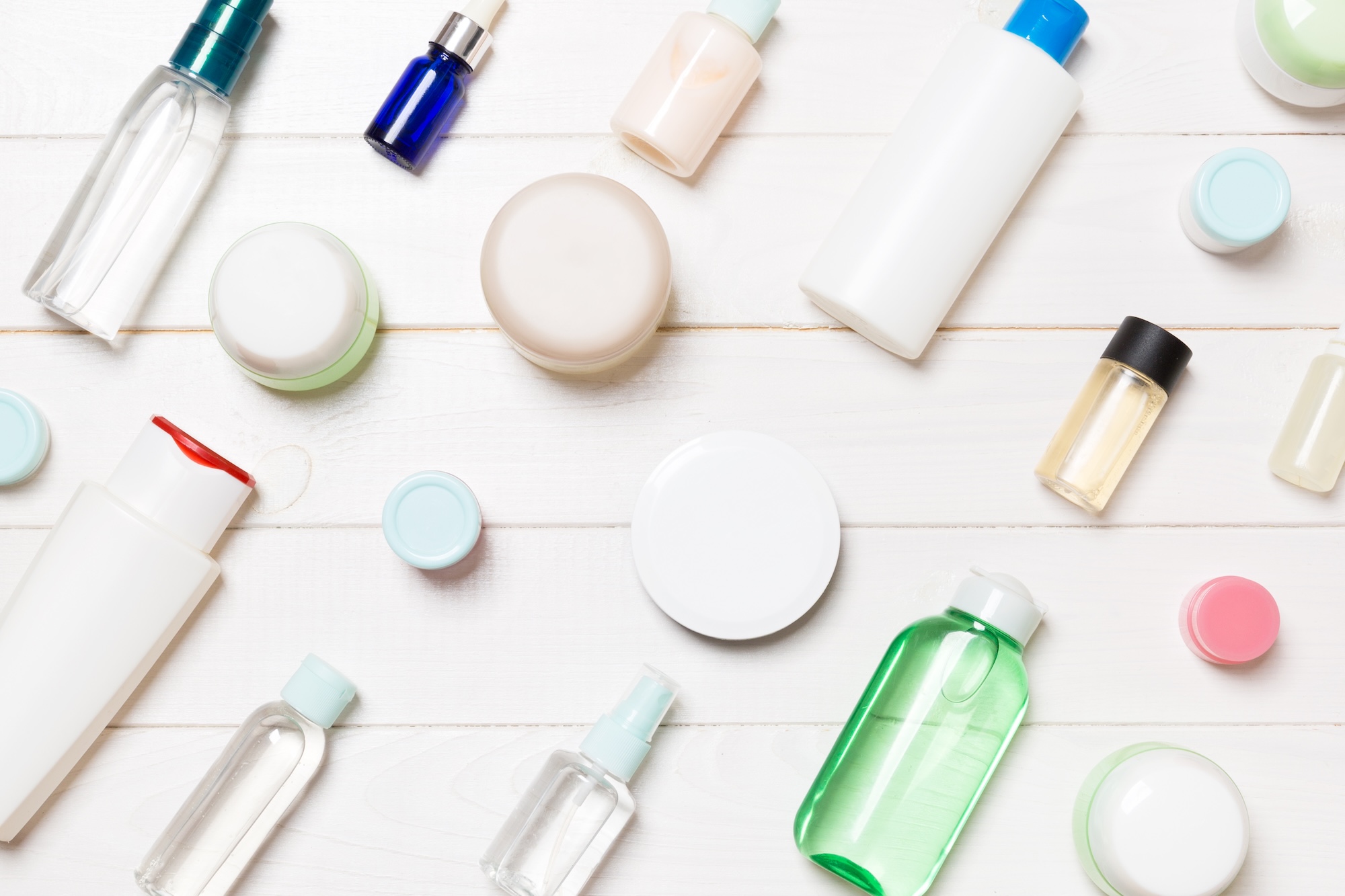
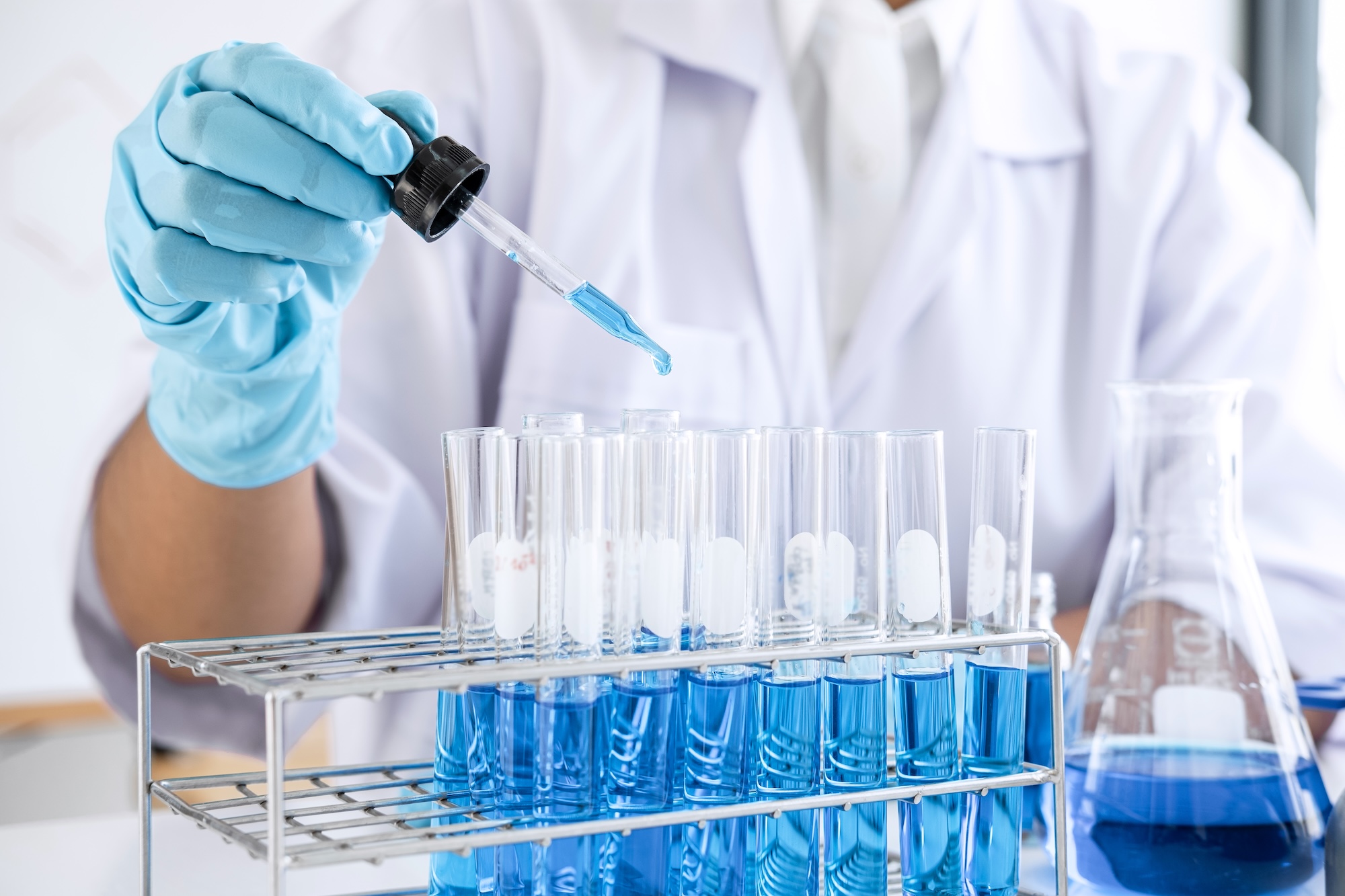
Without chemicals, modern life would not be possible. We couldn’t make the products we take for granted, like medicines, plastics, cosmetics, electronics, cleaning products, modern textiles and dyes...to name just a few.
Yes, these are made of chemicals… 
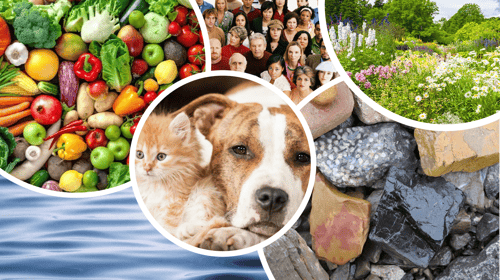
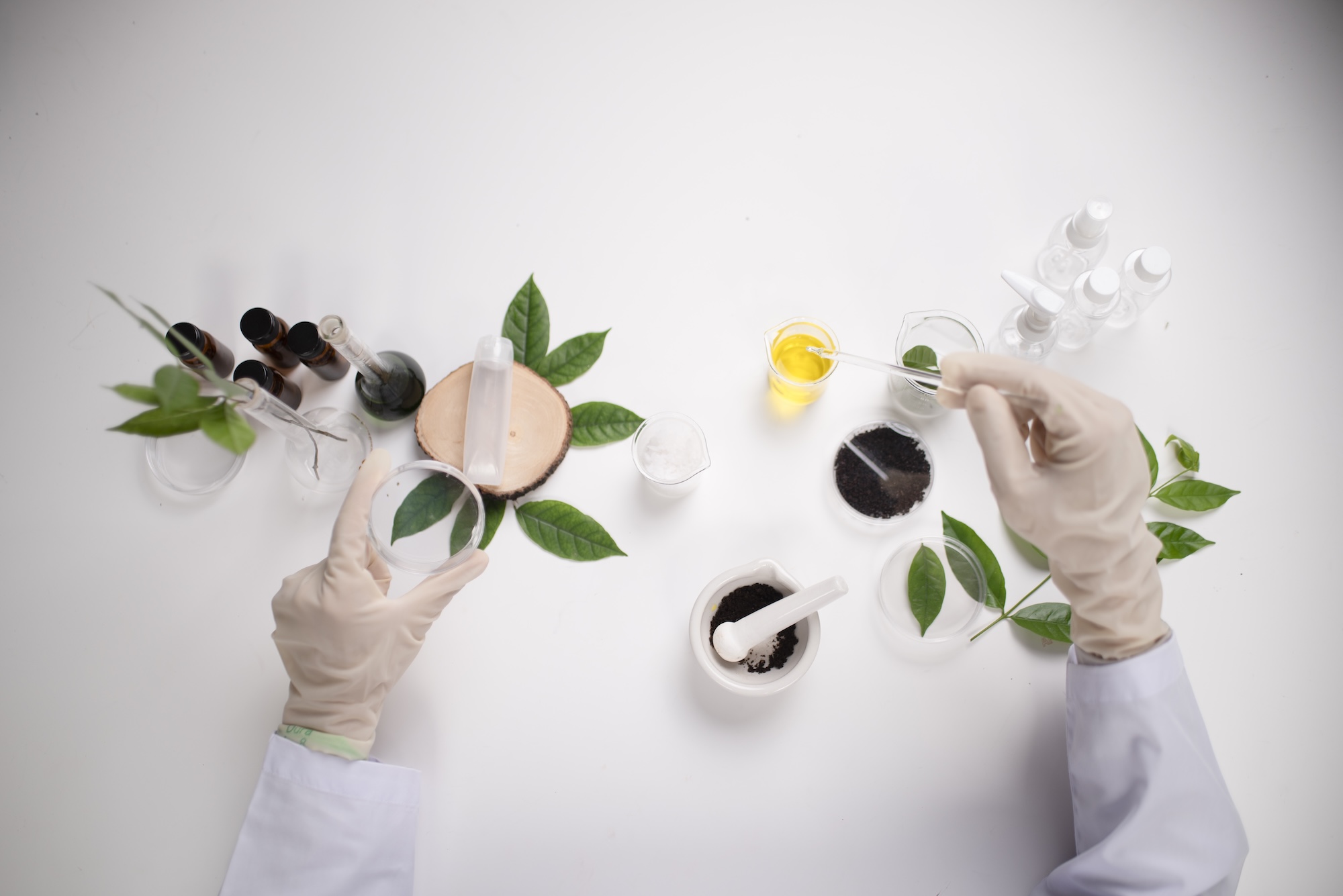
And so are these... 
And ‘natural substances’ are still chemicals, they are just chemicals that come from nature. See Does 'natural' equal 'good'? for more information.So, it is impossible to have a substance that is ‘chemical-free’. (If you see this marketing claim, ask some questions!)
What is NOT made of chemicals?
• Phenomena, like energy, light, heat and sound
• Forces, like electromagnetism and gravity
• Sub-atomic particles, like protons, neutrons, electrons (and their constituent particles)
• Concepts, thoughts, emotions, dreams…although this one is tricky, because all of these rely on chemical signals… -
We can’t avoid chemicals but we can use them safely
There is no question of avoiding chemicals, but it is possible to make choices about which chemicals to use and how to use them. In other words, how to balance the risks from chemicals against their benefits.
Are you afraid of chemical ingredients in your cosmetics, personal care and household products?
Don’t be. In Australia, our robust regulatory system manages any risks (see Product safety - a common priority) associated with chemical ingredients in these products.
Balancing risk and benefit
‘We strike this sort of balance in many other areas of life. For example, car accidents kill thousands of people and aeroplanes occasionally crash. However, we do not ‘ban’ driving or flying. Instead, we control them with laws and training, and we improve their safety with better technology.’2
The bottom line?
Everything is made of chemicals—including us—so ‘chemical’ doesn’t mean dangerous. What matters is how a substance is used, in what amount, and whether it’s properly regulated.
Sources
- Siegrist M and Bearth A, 2019, ‘Chemophobia in Europe and reasons for biased risk perceptions’, Nature Chemistry, Vol. 11, pages 1071–1072
- Royal Society of Chemistry, Why do we worry about chemicals?