Preservatives – protecting products or harming health?
What are they?
Preservatives are ingredients that are added to products such as foods, cosmetics and personal care products to help prevent spoilage. They protect product quality and, therefore, protect your health.
Preservatives can be either naturally occurring or man-made and are usually effective in low concentrations.
What's the myth?
Some people think preservative-free products are preferable to products containing preservatives.
They might feel that the more chemicals in a product, the worse it is for their health. Or they may have concerns over specific preservatives, such as parabens – despite no evidence for these ingredients causing harm at the levels used.
What are the facts?
-
The use of preservatives is essential in most cosmetic and personal care products
There are two main ways in which your cosmetic and personal care products can spoil.
• Microorganisms (such as bacteria, yeasts and mould) can get into your products once they are open. From the air, from your skin, from water and from the applicator. These microorganisms can contaminate the product if they are able to live and multiply in it.
• Some ingredients in personal care and cosmetic products can also spoil when exposed to oxygen in the air. Oxidation can cause products to become rancid, lose their consistency and smell bad.
Preservatives combat both these types of spoilage.
Antimicrobial preservatives help prevent microorganisms from surviving and multiplying in a product to levels where they could affect your health.Antioxidants are preservatives that help prevent oxidation from occurring.
There are only a few types of products that don’t need preservatives. Like some waterless, oil-based products, such as baby oil and waxy lip-balm (since bacteria, yeasts and mould only grow when there is a certain amount of water available). Some water-containing products also contain ingredients that have preservative properties but are not classified as ‘preservatives’, like alcohol.
The International Cooperation on Cosmetics Regulation (ICCR - an international collaboration of cosmetics product regulators and industry), published a helpful FAQ on Preservatives in Cosmetics in December 2015.
-
Preservative-free products need to be treated carefully
Products that are not self-preserving and are manufactured to be genuinely ‘preservative free’, have limitations regarding their shelf-life and storage. And they often cost more.

Preservative-free products must be manufactured under strictly controlled conditions to ensure microorganisms are not introduced during the process. They also need to be transported without encountering extremes of temperature, especially heat. And they must be refrigerated immediately after opening and used within a short timeframe, since contact with skin and introduction of moisture will begin the process of product deterioration.
-
Preservatives help protect consumer health
Once a product is open, it is difficult to avoid microorganisms getting in.
At low levels, these microorganisms may not cause any harm. But if a product becomes heavily contaminated, it could cause skin irritation, trigger allergies or potentially lead to an infection, especially if the product is used around the eyes or on broken skin.
Preservatives help prevent microorganisms from surviving in a product, or from multiplying. Without preservatives, most cosmetic and personal care products would need to be refrigerated to extend their shelf-life beyond a couple of weeks.
-
Preservatives prolong shelf-life
While cosmetic and personal care products don’t last forever, you don’t want to buy a product only to have it go off before you have used it up.
Most cosmetic and personal care products are designed to have a long enough shelf life for you to finish the product (under normal conditions of use). This would not be possible for most products without the use of preservatives.
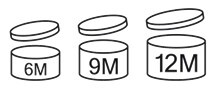
Longer-lasting products mean less expense in purchasing replacements, as well as less risk of adverse health effects from products that have gone off. Check the product packaging for a symbol that tells you how long the product should last once opened.In 2013, the Australian Competition and Consumer Commission (ACCC) recalled three cosmetic products that contained ‘unacceptable levels of microbial contamination’.1 The ACCC warned that these products could potentially place consumers at risk of diseases and serious infection. It urged cosmetics makers to be ‘vigilant about hygienic manufacturing practices and the effectiveness of the preservatives they use in their products’.
-
Anti-preservative sentiment may put consumers at risk
You might think that it’s OK for people to believe what they like when it comes to ingredients, like preservatives, in everyday products. ‘You do you.’ And not just to think, but to share what they think. With friends and family, on social media.
The trouble is, one there is a groundswell of opinion on something, no matter how unfounded, it can shape decisions, policies and actions that have real and potentially dangerous consequences.
Take preservatives, for example. Some companies have moved away from parabens, a safe and effective group of preservatives, in response to consumer sentiment. And some have eliminated effective preservatives altogether.
As Dr Schwartz puts it, ‘The demonisation of synthetic preservatives has led not only to the glorification of less-effective natural products but to a host of “preservative-free” ones as well. These should only be trusted if they come in either single-use vials, or if the sterilised contents are sealed in a container with a pump that prevents entry of microbes when it is used. Otherwise “preservative-free” can quickly become “bacteria-filled”’.2
In other words, well-tested and safe preservatives are being replaced by less effective alternatives. And these may not be as well characterised.
Considering parabens specifically, ‘The unsubstantiated public perception of paraben safety has led to its replacement in many products with preservatives having far greater allergenic potential.’3
In other words, you are more likely to have a reaction to a product that contains a non-paraben preservative.
Let’s face it. We live in a germy world. A world of spoilage. We need preservatives to protect ourselves by protecting our products. Replacing preservatives that have a long history of safe use, like parabens, with less effective or less well-studied ingredients is in no one’s best interests.
-
You can help keep your products contamination-free
You can keep your products in top condition by using and storing them properly. Here are some top tips for doing this.
• Keep products tightly closed when not in use.
• Check product before use for any changes in colour, smell or texture. These may indicate a product has gone off.
• Use the product within the recommended timeframe. Although changes in colour, smell or texture can indicate product spoilage, sometimes there is little to indicate that potentially dangerous levels of microorganisms are present.
• Avoid keeping products in extremes of temperature, such as in direct sunlight or where they will freeze.
• Use clean hands or an applicator to apply cosmetics.
• If using a dropper, don’t rub it across your skin.
• Wash all applicators thoroughly with a mild soap or detergent and allow to dry before use, and replace applicators regularly.
• Avoid sharing products with another person.
• Always read the instructions, including any warnings for use.
• Don’t dilute products or mix products (unless the product instructions say to do so!).
The bottom line?
Preservatives are important ingredients that protect human health and extend product shelf-life.
No need to…
look for preservative-free. In fact, please don’t, unless you are super careful and prepared for them to not last long!
But please do...
help keep your products free from contamination and spoilage by using and storing them properly.
Sources
- ACCC Product Safety, Cosmetics recalled after failing ACCC testing
- McGill Office for Science and Society, 20 March 2017, Paraben Phobia is Unjustified
- Fransway AF et al., 2019. ‘Parabens’. Dermatitis Vol 30(1), pages 3-31