Cleaning products – can they cause asthma?
What is asthma?
As one of the most common chronic diseases in Australia, you likely know someone who has asthma, or you may have it yourself.
Asthma is a chronic lung condition. It makes the airways sensitive, so they get narrower when exposed to certain triggers. This makes breathing more difficult.
Symptoms of asthma include recurrent wheezing, chest tightness, shortness of breath and coughing.
Asthma prevalence in Australia
The asthma rate has been consistent since 2001.
Just under 2.8 million Australians (10.8%) had asthma in 2022.
Overall, more females have asthma than males (12.2% compared to 9.4%).
For children 0–14 years, more boys have asthma than girls (10.1% compared to 6.2%).
Australian Bureau of Statistics1
What's the myth?
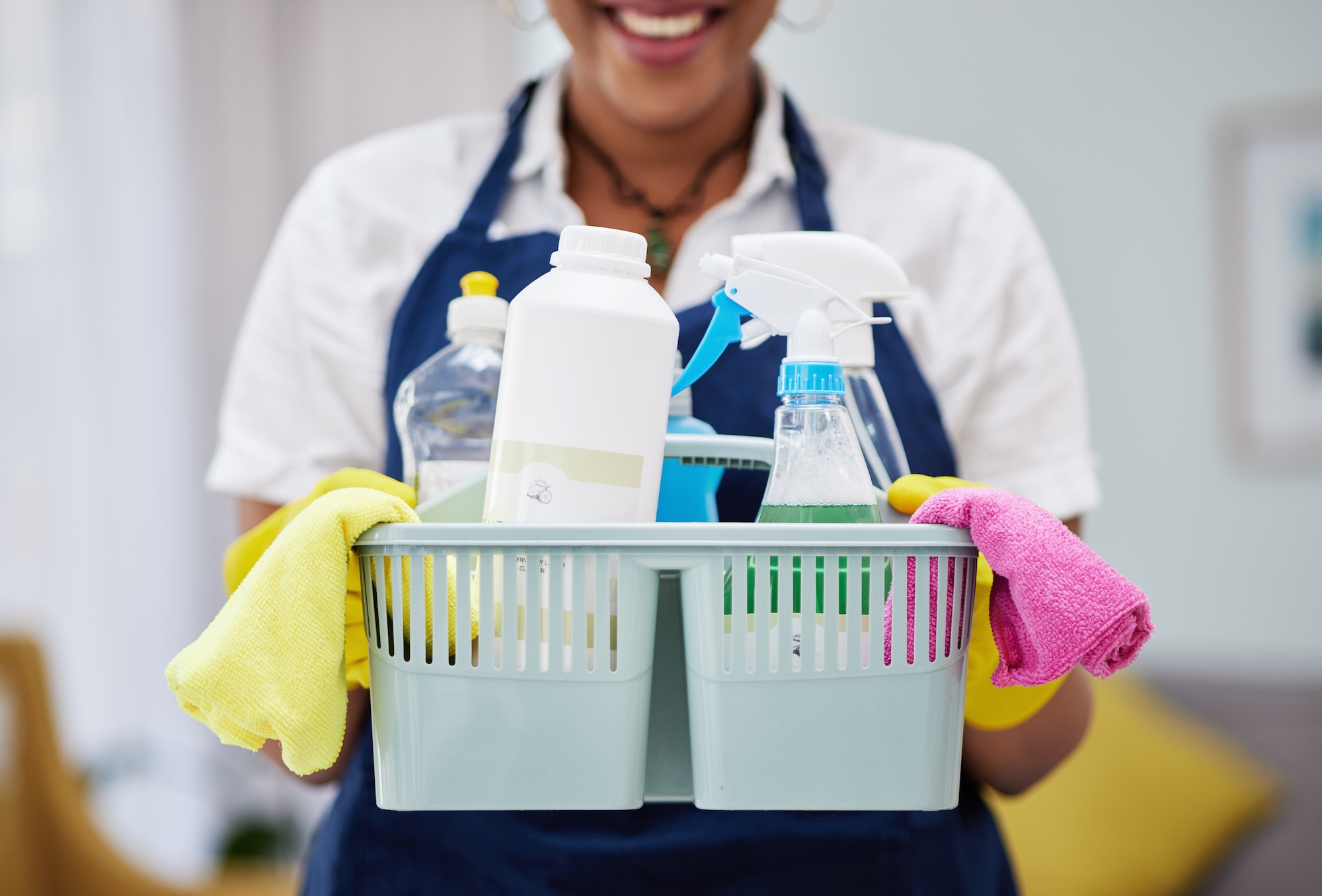
It has been suggested that using household cleaning products, especially sprays, can trigger asthma attacks.
This one is partly true.
Because cleaning products introduce particles into the air, they can trigger asthma in some susceptible individuals. Just like other particles in the air can.
But effective cleaning also minimises other asthma triggers in the home.
Learn more, below.
What are the facts?
-
Cleaning and cleaning products reduce household levels of asthma triggers
People who suffer from asthma have different levels of sensitivity to different triggers. These can include environmental, lifestyle and air quality triggers.
Common asthma triggers in the household are dust mites, pet fur, smoke, pollen, mould and cockroach droppings.2 Many of these triggers are present in households.
Cleaning is a vital part of reducing the levels of many asthma triggers in the home. Even though cleaning can stir up the air and the allergens in it, it is essential to prevent the build-up of triggers.
Important cleaning activities include:
-
regularly laundering linen and other soft furnishings
-
vacuuming carpet
-
sweeping, mopping or dusting of hard surfaces
-
removing mould
-
removing food scraps and spills, and cleaning food preparation surfaces, utensils and crockery
-
removing rubbish
If things like deodorant, perfume, incense and strong scents (such as from chemicals) are a trigger for you, or someone you live with, it’s best to avoid these products (or to use them when you are not around the other person).
-
-
Savvy use of cleaning products can help minimise asthma triggers
Cleaning products introduce particles into the air, so they can trigger asthma in some susceptible individuals, just like other particles in the air can.
What can you do to minimise the risk of an asthma attack during cleaning?
-
Follow product label instructions, which indicate the amount of product to use, how to use the product and safety advice.
-
If you are using spray cleaners, spray onto a cloth or sponge and then wipe the surface.
-
Make sure the room is well-ventilated, and allow it to air after cleaning.
-
Try using fragrance-free cleaning products.
-
Try using a face mask while you clean. This will help prevent you from inhaling airborne particles – ones from the cleaning product and ones that have been dislodged from the surface when you clean it.
-
Practice ‘targeted hygiene’, using suitable cleaning products when needed. To minimize exposure when hazardous products do need to be used, avoid cleaning around children, preventively implement ventilation during and for hours following cleaning activities,
If you experience asthma symptoms while cleaning, stop right away. Have your inhaler with you and get medical help if your symptoms don’t resolve.
For more tips on cleaning and asthma, please see: www.healthline.com/health/asthma/cleaning-allergic-asthma-safety-tips.
-
The bottom line?
Household cleaning is an important part of minimising asthma triggers in the home.
But please do...
keep the area well-ventilated while cleaning, if possible, and stop cleaning if you experience asthma symptoms.